






Casinos have changed a lot over the past few decades. What used to be simple gambling halls with card tables and slot machines have turned into complex entertainment centers that mix technology, design, and multiple forms of fun. Modern casinos blend cutting-edge gaming technology, luxury amenities, and digital platforms to create experiences that go far beyond traditional gambling.
The casino industry now reaches more people than ever before. You can visit a physical casino resort with restaurants, shows, and hotels, or you can play games on your phone from your couch. The global casino industry brought in over $300 billion in 2023, showing just how popular these venues have become.
Understanding what makes a casino “modern” helps you see where the industry is headed. From the way buildings are designed to the types of games offered, casinos today focus on creating full experiences. This article will walk you through the key elements that define modern casinos and explain how they work in today’s world.
Defining the Modern Casino
Modern casinos blend digital technology with traditional gambling to create accessible gaming experiences across multiple platforms. They operate both online and in physical locations, offering instant access to games through computers and smartphones while maintaining the social elements players expect.
Key Characteristics
Modern casinos share several defining features that separate them from older gambling establishments. Digital integration stands at the core, with most operations using advanced software, mobile apps, and internet connectivity to deliver games and services.
You can access modern casinos 24/7 from any location with internet access. The gaming selection extends beyond basic table games and slots to include live dealer streams, interactive tournaments, and social gaming features.
Core Features Include:
- Mobile compatibility across devices
- Digital payment systems and cryptocurrency options
- Real-time game data and analytics
- Automated customer service and chatbots
- Personalized game recommendations
- Multi-platform account access
Security systems use encryption and blockchain technology to protect your personal information and transactions. Game outcomes rely on random number generators that regulators test for fairness.
Comparison to Traditional Casinos
Traditional casinos require physical presence in a specific location during set operating hours. You travel to the venue, exchange cash for chips, and play games at available tables or machines.
Modern casinos eliminate these barriers. You create an account online, deposit funds electronically, and start playing within minutes. Physical casinos offer face-to-face interaction and tangible experiences, while digital platforms provide convenience and variety.
| Aspect | Traditional Casino | Modern Casino |
|---|---|---|
| Access | Physical location only | Online and mobile |
| Hours | Limited | 24/7 |
| Game Selection | Space-limited | Hundreds of options |
| Payment | Cash and chips | Digital and crypto |
| Social Features | In-person | Chat and live dealers |
The atmosphere differs significantly. Traditional venues create entertainment through architecture, shows, and dining. Modern platforms focus on user interface design, bonuses, and game variety.
Types of Modern Casinos
Three main categories define the modern casino landscape. Online casinos operate entirely through websites and apps, offering the full range of gambling activities without physical locations.
Hybrid casinos maintain brick-and-mortar properties while running companion digital platforms. You use the same account and loyalty rewards across both venues. These establishments represent the largest casino brands adapting to changing player preferences.
Mobile-first casinos design their entire experience for smartphone users. They optimize games for touch screens and smaller displays, focusing on quick sessions and simplified interfaces.
Live dealer casinos stream real dealers and tables to your device, combining online convenience with authentic casino atmosphere. Social casinos let you play casino-style games without real money wagering, using virtual currencies instead.
Each type serves different player needs based on preferences for convenience, social interaction, and gaming style.
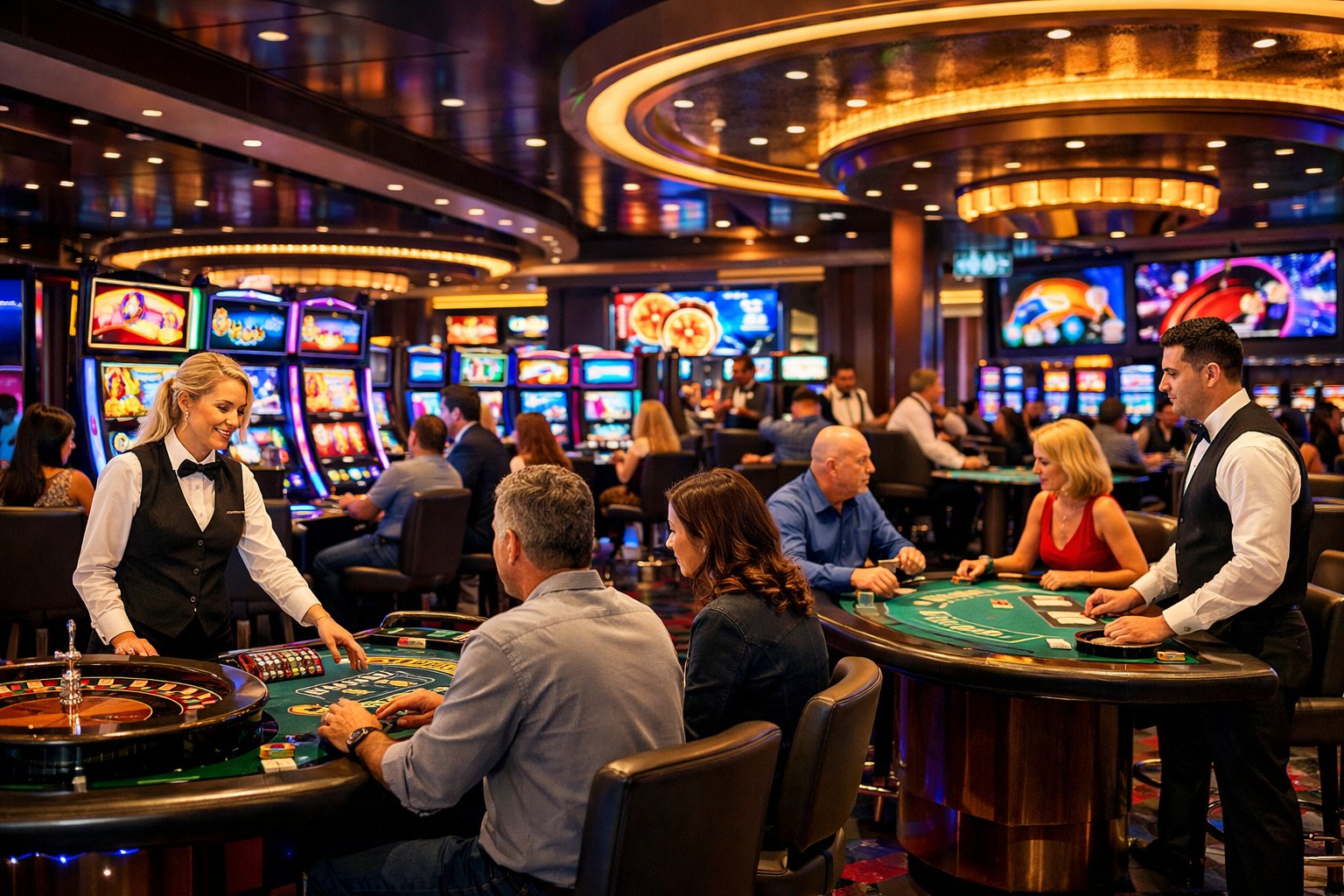
Casino Design and Architecture
Modern casino design prioritizes strategic layouts that guide visitor movement, incorporates advanced technology throughout the space, and increasingly adopts environmentally responsible building practices.
Innovative Layouts
Casino floor plans follow deliberate patterns that maximize player engagement and movement flow. Designers eliminate straight sightlines and create winding pathways between gaming areas to encourage exploration. You’ll notice how slot machines and table games cluster in zones based on bet limits and game types.
The maze-like structure serves multiple purposes. It keeps you immersed in the gaming environment while making exits less obvious. High-traffic pathways lead past popular attractions and amenities.
Modern casinos also segment spaces by experience level. Entry zones feature lower-stakes games for casual players, while VIP areas sit in exclusive sections with premium finishes. This zoning helps you find appropriate gaming options quickly while maintaining distinct atmospheres for different visitor types.
Strategic placement of bars, restaurants, and entertainment venues breaks up the gaming floor. These anchor points create natural stopping areas that extend your visit time.
Technological Integration
Digital systems now control nearly every aspect of casino operations. Smart lighting adjusts based on time of day and occupancy levels. These systems create optimal conditions for gameplay while reducing energy consumption.
Interactive displays replace static signage throughout the property. You can check game rules, tournament schedules, and dining options on touchscreens placed at convenient intervals. Some casinos integrate mobile apps that connect to the physical space, letting you track loyalty points and receive location-based offers.
Cashless payment systems streamline transactions across gaming and retail areas. Modern slot machines accept digital wallets and RFID cards instead of physical coins. Surveillance technology has advanced beyond basic cameras to include facial recognition and behavioral analysis software that monitors crowd patterns and identifies security concerns.
Sustainability Features
New casino construction emphasizes environmental responsibility through energy-efficient building materials and renewable power sources. Properties install solar panels, LED lighting systems, and advanced HVAC units that reduce power consumption by 30-40% compared to older buildings.
Water conservation measures include low-flow fixtures and reclamation systems that recycle wastewater for landscaping. Some desert properties harvest rainwater despite limited precipitation.
Green building certifications like LEED guide modern casino development. These standards address everything from construction waste management to indoor air quality. Sustainable design extends to interior choices as well, with recycled materials appearing in carpeting, wall coverings, and furniture throughout the property.
Gaming Technology and Offerings
Modern casinos use advanced technology to create better gaming experiences for players. From digital versions of classic table games to payment systems that don’t require cash, these updates change how you play and interact with casino games.
Digital Table Games
Digital table games replace traditional felt tables with electronic screens and automated systems. You can play blackjack, roulette, baccarat, and poker on touchscreen interfaces that track your bets and handle payouts automatically.
These games use random number generators to ensure fair outcomes. The technology removes human error from dealing and payouts while maintaining the same rules and odds you expect from table games.
Many digital tables let multiple players join the same game while keeping their bets private. You can see the community cards or roulette wheel on a central display while making your decisions on your personal screen. The games run faster than traditional tables because there’s no physical dealing or chip counting.
State-of-the-Art Slot Machines
Modern slot machines feature high-definition curved screens, surround sound systems, and complex graphics. You’ll find machines with multiple screens, 3D animations, and bonus rounds that feel like video games.
Today’s slots connect to casino networks that track your play and offer rewards. The machines accept digital payments and can save your preferences for future sessions. Some newer models include motion sensors and touch-responsive elements beyond basic button pressing.
Key features you’ll see:
- Networked progressive jackpots across multiple casinos
- Skill-based bonus rounds where your decisions matter
- Virtual reality headset compatibility at select locations
- Community gaming where multiple players share bonus events
The random number generators in these machines run continuously, determining outcomes the moment you press the spin button.
Live Dealer Experiences
Live dealer games stream real dealers from studios directly to your screen. You watch actual cards being dealt and roulette wheels spinning while placing bets through a digital interface.
Professional dealers run the games in real time, and you can chat with them through text or voice. Multiple camera angles show the table from different views so you can clearly see every card and dice roll. The games operate on the same schedules as physical casino tables, with dealers working in shifts.
This technology bridges the gap between online convenience and the authenticity of in-person gaming. You get human interaction and visible game processes without leaving your location.
Cashless Payment Systems
Cashless systems let you fund your gaming through digital wallets, mobile apps, and RFID cards instead of physical cash or chips. You load money onto your account through the casino app or kiosks, then use your phone or card to play any game on the floor.
Your wins transfer directly to your digital account. You can track all your spending and winnings through the app in real time. When you’re ready to leave, you withdraw funds at a kiosk or transfer money directly to your bank.
These systems also link to loyalty programs automatically. Every bet you make earns points without scanning cards or giving your information to dealers.
Online and Mobile Casinos
Modern casinos have expanded beyond physical locations into digital spaces that operate 24/7 from anywhere with internet access. Mobile platforms now account for a significant portion of online gambling activity, while new technologies continue to reshape how players interact with casino games.
Mobile Gaming Platforms
You can access casino games through two main types of mobile platforms: dedicated apps and mobile-optimized websites. Apps require downloading from the Apple App Store or Google Play Store and install directly on your device. Mobile websites work through your phone’s browser without any download needed.
Most mobile casinos offer the same games you’d find on desktop versions. This includes slot machines, table games like blackjack and roulette, and live dealer games with real people streaming from studios.
Your phone or tablet becomes a portable casino that fits in your pocket. You need a stable internet connection to play, whether through WiFi or cellular data. The games adjust automatically to fit your screen size, and touchscreen controls replace mouse clicks.
Key Features:
- Instant play through browsers or app downloads
- Full game libraries optimized for smaller screens
- Touch-based controls designed for mobile devices
- Cross-platform account access between desktop and mobile
Virtual Reality Integration
VR casino technology creates 3D environments you explore using headsets like Meta Quest or PlayStation VR. You walk through virtual casino floors, sit at tables, and interact with other players as digital avatars.
The technology remains in early stages for mainstream casino use. Few operators offer full VR experiences due to the cost of development and the limited number of players who own VR headsets.
Current VR casinos focus mainly on recreating the social atmosphere of physical casinos. You can chat with other players, watch their reactions, and move between different gaming areas. The games themselves play similarly to standard online versions but appear in three-dimensional space around you.
Security and Fairness Technologies
Licensed online casinos use encryption protocols to protect your personal and financial information. SSL (Secure Socket Layer) encryption scrambles data sent between your device and the casino’s servers, making it unreadable to anyone who intercepts it.
Random Number Generators (RNGs) determine game outcomes in digital casino games. These computer programs produce unpredictable results that mimic the randomness of physical dice, cards, or slot reels. Independent testing agencies like eCOGRA and iTech Labs audit RNG systems to verify they work correctly.
Your account security depends on strong passwords and two-factor authentication when available. Many casinos now require you to verify your identity by uploading documents before making withdrawals. This prevents fraud and ensures the casino complies with gambling regulations.
Blockchain technology is emerging as an additional security layer at some casinos. It creates permanent, transparent records of transactions that cannot be altered after they occur.
Entertainment and Amenities
Modern casinos have transformed into full-scale entertainment destinations that offer much more than gaming. You can now enjoy Broadway-caliber shows, stay in five-star accommodations, and dine at restaurants run by celebrity chefs.
World-Class Shows and Events
You’ll find performance venues inside major casinos that rival dedicated theaters in major cities. These spaces host everything from concerts by top recording artists to comedy shows featuring well-known performers.
Many casinos book Cirque du Soleil productions and other acrobatic shows that run for months or even years. You can also attend sporting events like boxing matches and mixed martial arts competitions in casino arenas. Tribute bands, magic shows, and musical residencies give you options almost every night of the week.
The entertainment calendar typically includes special events during holidays and major sporting weekends. You don’t need to gamble to attend these shows, as tickets are sold separately just like any other venue.
Luxury Hospitality
Casino resorts now offer hotel accommodations that range from standard rooms to multi-bedroom suites with private pools and butler service. You’ll find amenities like spa facilities, fitness centers, and swimming pool complexes that span several acres.
The room designs often feature modern technology including smart room controls and high-speed internet. Many properties include exclusive lounges and private gaming areas for guests staying in premium accommodations.
You can access services like concierge assistance, valet parking, and 24-hour room service. Some resorts add unique features such as golf courses, shopping centers with luxury brands, and nightclubs with resident DJs.
Fine Dining Experiences
You have access to restaurants operated by famous chefs who have earned Michelin stars and James Beard awards. These establishments serve cuisine from around the world, including French, Italian, Japanese, and steakhouse concepts.
The dining options extend beyond upscale restaurants to include casual eateries, buffets with international stations, and quick-service spots. You can often find 24-hour dining options that accommodate any schedule.
Many casino restaurants feature wine lists with thousands of selections and craft cocktail programs. The food quality and presentation match what you’d find at standalone fine dining establishments in major metropolitan areas.
Responsible Gaming Initiatives
Modern casinos invest heavily in programs that help players maintain control over their gambling activities. These efforts include protective tools, voluntary exclusion options, and educational outreach to ensure safer gaming environments.
Player Protection Measures
Casinos now offer multiple tools to help you manage your gambling behavior. Deposit limits let you set daily, weekly, or monthly caps on how much money you can add to your account. Time limits automatically log you out after a set period of play.
Reality checks send you alerts at regular intervals showing how long you’ve been playing and how much you’ve spent. Loss limits prevent you from wagering beyond a predetermined amount within specific timeframes.
Many venues train their staff to recognize signs of problem gambling. Floor managers and dealers learn to identify concerning behaviors and approach players who may need assistance. This training often includes referral procedures to connect you with professional support services.
The industry spends approximately $500 million yearly on responsible gaming programs. This funding supports research, employee education, player resources, and problem gambling treatment services.
Self-Exclusion Programs
Self-exclusion programs allow you to voluntarily ban yourself from casino properties for set periods. You can typically choose exclusion lengths of six months, one year, five years, or lifetime bans.
When you self-exclude, casinos add your name to databases that prevent you from entering gaming floors. Online platforms block your account access and stop all promotional communications. Breaking self-exclusion agreements can result in trespassing charges and forfeiture of any winnings.
Many jurisdictions maintain state-wide exclusion lists shared across multiple casino operators. This prevents you from simply moving to a different venue during your exclusion period.
Awareness Campaigns
Casinos distribute educational materials about gambling risks throughout their properties. You’ll find brochures near ATMs, on gaming floors, and in restrooms with information about problem gambling warning signs and helpline numbers.
Digital platforms display pop-up messages reminding you to gamble responsibly. These messages often appear during registration or before you make large deposits. Websites feature dedicated sections explaining odds, house edges, and the recreational nature of gambling.
Many operators partner with organizations like the National Council on Problem Gambling to develop effective messaging. They fund public service announcements and community outreach programs that reach beyond their customer base.
Global Trends in the Casino Industry
The casino industry is changing fast as governments create new gaming laws and different parts of the world see varying levels of growth. Some regions are well-established while others are just starting to allow legal gambling.
Legal and Regulatory Developments
More countries are creating clear rules for casinos and online gambling. This makes the environment safer for both players and casino operators.
Governments are building regulatory frameworks that define how casinos can operate. These rules cover things like age limits, responsible gambling programs, and how casinos must handle money. When countries set up these systems, it opens the door for legal casino businesses to start working there.
Tax policies on casino revenue differ widely between countries. Some governments tax casino profits at high rates to fund public programs. Others keep taxes lower to attract more casino companies to their region.
Key regulatory areas include:
- Licensing requirements for operators
- Player protection standards
- Anti-money laundering rules
- Online gaming permissions
Market Growth by Region
The global online gambling market reached $85.62 billion in 2023. Experts predict it could grow to $133.59 billion by 2028.
North America continues to lead in casino revenue, especially as more US states legalize online betting and sports gambling. Over half of US adults now visit casinos, showing strong public support for the industry.
Europe maintains steady growth with its mature gambling markets. Many European countries have had legal casinos for decades and now focus on regulating online platforms.
Asia shows mixed results depending on the country. Some areas have strict gambling bans while others allow limited casino operations in specific zones.
Emerging Markets
Latin America is becoming a major focus for casino companies. Several countries in this region recently passed laws allowing casinos and online gambling. Brazil represents one of the largest potential markets as it moves toward legalizing gaming.
Africa has limited casino presence but some countries are exploring regulation. South Africa leads the continent with established casino resorts, while other nations are just beginning to consider gaming laws.
Parts of Southeast Asia are opening up to casino development. New integrated resort projects combine hotels, shopping, and entertainment with gaming floors. These developments aim to attract tourists and create jobs.
You should watch these emerging markets as they often show the fastest growth rates when regulations first allow legal gambling operations.