


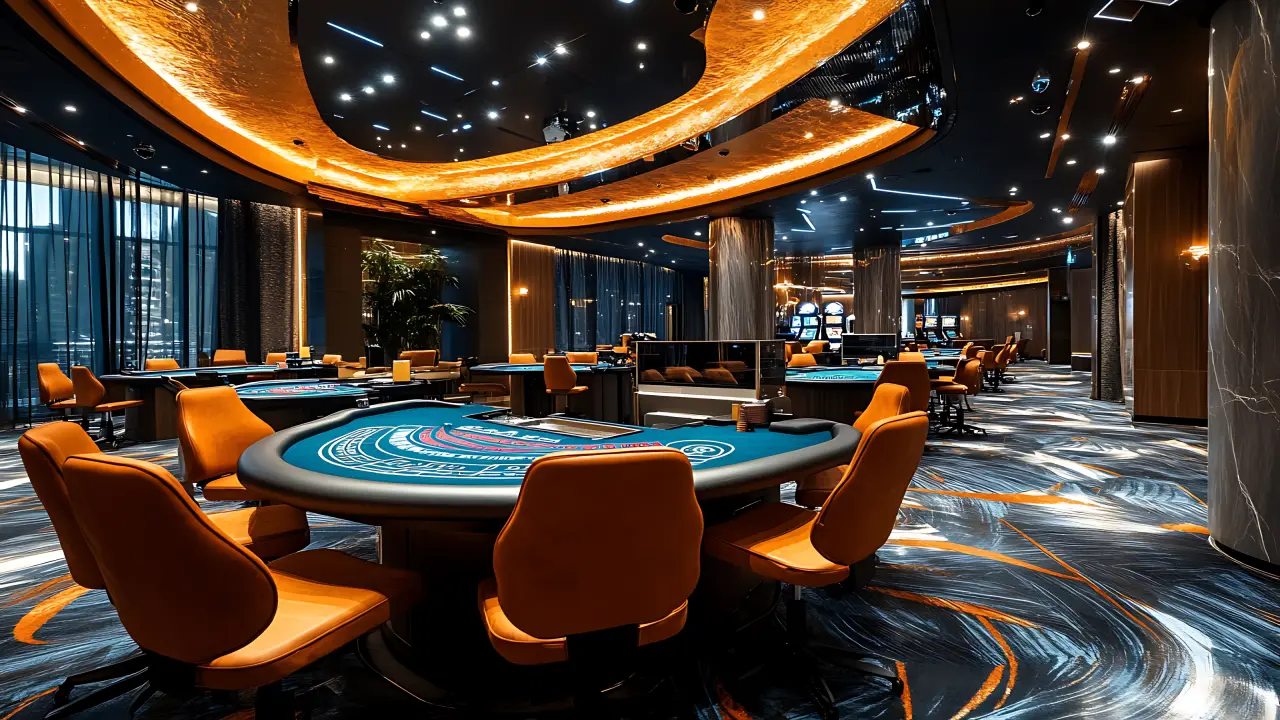

Modern casino interior design has changed dramatically over the past decade. Today’s casinos focus on creating comfortable, immersive spaces that blend luxury with technology while prioritizing guest wellbeing and sustainability. The days of overwhelming décor and maze-like layouts are fading as designers embrace cleaner, more purposeful approaches.
Understanding modern casino design means looking at how spaces work together to shape your experience. From the moment you enter, every element serves a purpose. The lighting affects your mood, the colors guide your movement, and the layout balances gaming areas with social spaces.
This guide walks you through the key elements that define contemporary casino interiors. You’ll learn about spatial planning strategies, innovative lighting techniques, and how designers integrate technology without sacrificing comfort. Whether you’re planning a casino project or simply curious about design trends, you’ll discover how modern casinos create spaces that keep guests engaged and comfortable.
Core Principles of Modern Casino Interior Design
Modern casino design relies on specific principles that shape how guests move through spaces, interact with others, and stay comfortable during extended visits. These foundational elements work together to create environments that feel both inviting and strategically organized.
Psychology of Space and Flow
Casino layouts guide your movement through deliberate design choices. The maze-like floor plans don’t show exits prominently, which keeps you engaged with gaming areas longer. This isn’t accidental—designers create winding paths that expose you to more gaming machines and tables as you walk.
The open floor concept removes visual barriers between different gaming sections. You can see slot machines, table games, and dining areas from multiple angles. This visibility creates a sense of activity and energy that draws you deeper into the space.
Designers use strategic placement of high-traffic amenities to control crowd flow. Restrooms, restaurants, and cashier stations sit in locations that require you to pass through gaming floors. The spacing between machines and tables also affects your movement patterns and comfort level while playing.
Balance of Privacy and Sociability
Modern casinos create zones for different social preferences. High-limit gaming rooms offer enclosed or semi-enclosed spaces with exclusive access. These areas use physical dividers, elevation changes, or distinct décor to separate high-stakes players from general gaming floors.
The main gaming floor balances openness with intimate groupings. Slot machine clusters form small neighborhoods where you can play near others without feeling crowded. Table game arrangements allow spectators to watch while giving players enough personal space to focus.
Lighting and furniture placement define social boundaries without building walls. Lower ceilings over specific gaming sections create cozy pockets within larger rooms. Comfortable seating areas near bars and lounges give you options to socialize away from active gaming.
Maximizing Player Comfort
Your physical comfort directly impacts how long you stay and play. Modern casinos invest in ergonomic gaming chairs with proper lumbar support and adjustable features. Climate control systems maintain consistent temperatures across all gaming zones to prevent discomfort.
Key comfort elements include:
- Wide aisles between gaming stations (typically 6-8 feet)
- Adjustable lighting that reduces eye strain
- Sound-dampening materials that control noise levels
- Easy access to food, drinks, and restrooms
Flooring choices balance aesthetics with functionality. Carpeting with adequate cushioning reduces fatigue during long periods of standing or walking. Air filtration systems maintain fresh air circulation even in spaces where smoking occurs in designated areas.
Essentials of Spatial Planning
Casino spatial planning creates an environment where traffic flows smoothly, revenue areas get maximum visibility, and guests naturally move through different zones. Smart layout decisions directly affect how long people stay and how much they engage with various spaces.
Optimizing Gaming Floor Layout
The gaming floor layout requires careful attention to zones and player movement patterns. You should organize slot machines in clusters that create natural pathways between different areas. Table games work best when positioned to allow easy viewing from multiple angles.
Key Layout Considerations:
- Slot placement: High-performing machines near entrances and main walkways
- Table game spacing: Adequate room for dealers, players, and spectators
- Aisle width: 6-8 feet for main corridors, 4-5 feet for secondary paths
Open floor plans let guests see across multiple gaming zones. This visibility encourages exploration and helps people feel comfortable navigating the space. You need to balance openness with defined areas that give each zone its own character.
Strategic zoning places similar games together while creating visual breaks between sections. This organization helps guests find their preferred games quickly and discover new options along the way.
Navigational Design Strategies
Clear pathways guide guests through your casino without making them feel lost or confused. You should eliminate dead ends and create circular traffic patterns that expose visitors to different gaming areas naturally.
Sight lines matter for navigation. Guests need to see landmarks like restaurants, bars, or signature gaming areas from multiple points on the floor. These visual anchors help people orient themselves and plan their route.
Effective wayfinding elements include:
- Varied ceiling heights to distinguish different zones
- Lighting changes that signal transitions between areas
- Strategic placement of amenities as destination points
You want guests to explore without frustration. Design paths that offer clear choices at intersections and maintain enough width for comfortable two-way traffic even during busy periods.
Integrating Private and VIP Areas
VIP spaces need proximity to the main floor while maintaining privacy and exclusivity. You should position these areas where high-value guests can access them easily without walking through crowded public spaces.
Dedicated entrances work best for VIP rooms. These separate access points let premium guests come and go discreetly. Inside, you need enough space for larger betting limits and personalized service without feeling cramped.
Private gaming salons require soundproofing and visual barriers from the main floor. Glass partitions with frosting or one-way visibility let you maintain the open feel while creating distinction. Climate control should be independent so you can adjust temperature and air quality for smaller groups.
VIP areas benefit from direct connections to premium amenities like private dining, lounges, and concierge services. These connections reduce the need for guests to return to public areas.
Lighting Techniques in Modern Casinos
Modern casinos use strategic lighting to shape player experiences and set the mood throughout different spaces. The right combination of ambient lighting, LED systems, and natural light creates environments that feel both exciting and comfortable.
Ambient and Accent Lighting
Ambient lighting provides the base layer of illumination in casino spaces. It sets the overall brightness level and ensures you can move safely through the space. Most casinos keep ambient lighting at moderate levels to create a sense of intimacy without making areas feel dark or unsafe.
Accent lighting draws your attention to specific features. Casinos use it to highlight slot machines, table games, and architectural details. Spotlights and directional fixtures create focal points that guide you through the gaming floor.
The combination works together to create depth and visual interest. Warm tones in lounges and restaurants make these areas feel relaxing. Brighter, more energetic lighting around gaming areas keeps the atmosphere lively. Even restrooms receive careful attention with lighting designed to feel luxurious while maintaining the venue’s overall energy level.
LED Technology and Dynamic Lighting
LED technology has changed how casinos approach lighting design. These systems use less energy than traditional lighting and last much longer. They also give designers precise control over color and brightness.
Dynamic lighting systems adjust throughout the day and during special events. The color and intensity shift subtly to keep the space feeling fresh. Some casinos now use sensors and smart technology that respond to the time of day or specific activities happening in the space.
Key benefits of LED systems include:
- Lower energy costs and reduced maintenance
- Programmable color changes and effects
- Integration with casino management systems
- Ability to create themed environments quickly
Daylight Integration
Many modern casinos now incorporate natural light into their designs. This represents a shift from older casinos that blocked all windows to keep you unaware of time passing.
Strategic windows and skylights bring daylight into specific areas. You’ll find natural light most often in restaurants, lounges, and hotel lobbies. These spaces benefit from the connection to the outside world. Gaming floors still use controlled artificial lighting, but transition zones now blend natural and artificial sources more smoothly.
The addition of daylight improves your overall comfort and wellbeing during longer visits. It helps regulate your natural rhythms while still maintaining the immersive casino atmosphere where it matters most.
Color Palettes and Material Choices
Modern casino design relies on strategic color selection and high-quality materials to shape guest experiences and create distinct atmospheres. These elements work together to influence mood, energy levels, and how visitors interact with the space.
Trending Color Schemes
Casinos are moving beyond the traditional red and gold combinations that defined older gaming spaces. Today’s designers use bold, dynamic colors to create energy and mark different zones within the casino floor.
Popular schemes include deep jewel tones like emerald green and sapphire blue paired with metallic accents. These colors add richness without overwhelming visitors. Many properties now use black and white as a sophisticated base, then add pops of rose gold or champagne to highlight key areas like VIP sections or bars.
Neutral palettes have gained traction in modern casinos. Soft grays, warm beiges, and natural browns create calm environments that encourage longer stays. These colors work well in lounges and dining areas where you want guests to relax.
Common Color Applications:
- Gaming floors: Energizing blues and purples
- High-limit rooms: Black, gold, and deep burgundy
- Casual gaming areas: Greens and earth tones
- Bars and lounges: Darker hues with accent lighting
Premium Surface Materials
Natural materials define luxury in contemporary casino interiors. Stone, timber, and high-quality textiles communicate value and permanence to your guests.
Marble and granite remain popular for floors and accent walls because they’re durable and elegant. Terrazzo has made a comeback as a cost-effective alternative that still looks premium. Wood elements bring warmth to spaces that might otherwise feel cold or industrial.
Metal finishes like brushed brass and bronze add visual interest without appearing flashy. You’ll often see these in handrails, light fixtures, and decorative panels. Glass features create openness and allow light to flow through the space.
Authentic materials age better than synthetic alternatives. They maintain their appearance through heavy foot traffic and require less frequent replacement, making them practical choices for high-use areas.
Sound-Absorbing Textiles
Acoustic control matters more than many casino operators realize. The right fabrics reduce noise levels and create comfortable environments where guests can hear conversations and gaming sounds clearly.
Thick carpeting serves as the primary sound absorber in most casinos. Modern designs use commercial-grade options with dense pile construction. These carpets come in patterns that hide wear and stains while adding visual appeal.
Wall panels wrapped in fabric help control echo in areas with high ceilings. Upholstered furniture does double duty by providing comfort and absorbing sound. You can use drapes and curtains to soften hard surfaces and reduce noise reflection.
Designers layer different textile types throughout the space. Heavy materials go in the noisiest zones, while lighter fabrics work in quieter areas. This approach balances acoustics without making the space feel overly padded or muffled.
Technology Integration in Contemporary Casino Design
Modern casinos use technology to create better experiences for guests and improve daily operations. Digital tools now shape how people move through spaces, how staff monitor activity, and how sound fills gaming floors.
Digital Signage and Interactive Displays
Digital signage has replaced static posters and fixed directional signs in most new casino designs. You’ll find LED screens that update in real-time to show jackpot amounts, tournament standings, and promotional offers. These displays adjust their content based on the time of day and current events happening on the floor.
Interactive touchscreens serve multiple purposes in your casino space. Guests use them to find restaurants, check show times, and locate specific slot machines. Some casinos integrate these displays with mobile apps so visitors can map routes to different areas or make dinner reservations.
Augmented reality (AR) features are appearing in newer properties. You might see virtual wayfinding that overlays directions on screens or interactive games that blend physical and digital elements. These technologies keep guests engaged while they navigate your property.
Smart Surveillance and Security
Modern surveillance systems use artificial intelligence to monitor gaming floors more effectively than human observers alone. These systems can identify suspicious betting patterns, track chip movements, and flag potential security concerns. You get instant alerts when unusual activity occurs.
Facial recognition technology helps you manage player loyalty programs and identify banned individuals. The system works quietly in the background without disrupting the guest experience. It also tracks how people move through your space, giving you data to improve layout and staffing decisions.
Advanced Audio Systems
Sound management technology controls noise levels across different zones in your casino. You can set specific audio profiles for slot areas, table games, and walkways. The system adjusts volume automatically based on crowd density and ambient noise.
Directional speakers target sound to specific areas without bleeding into quiet zones. This means your slot floor can have energetic music while nearby restaurants maintain a calm atmosphere. Modern audio systems also reduce echo and manage acoustics in spaces with high ceilings.
Sustainable and Eco-Friendly Design Practices
Modern casinos are adopting green design strategies that cut energy costs while creating healthier spaces for guests and staff. These practices focus on efficient systems, responsible materials, and natural elements that reduce environmental impact.
Energy-Efficient Solutions
LED lighting systems have become standard in casino interiors, using up to 75% less energy than traditional bulbs. You’ll find these lights throughout gaming floors, restaurants, and hotel corridors. They last longer and produce less heat, which reduces cooling costs.
Smart HVAC systems adjust temperature and airflow based on occupancy levels and time of day. These systems monitor different zones in your casino and deliver heating or cooling only where needed. Motion sensors can reduce ventilation in empty areas during off-peak hours.
Key Energy-Saving Technologies:
- Automated lighting controls with dimming capabilities
- High-efficiency air conditioning units
- Solar panels for supplemental power generation
- Energy management systems that track real-time consumption
Installing low-flow water fixtures in restrooms and kitchens can cut water usage by 30-50%. You save on both water and the energy needed to heat it.
Sustainable Material Selection
Recycled and reclaimed materials bring character to your casino while reducing waste. Reclaimed wood from old buildings works well for accent walls, bar tops, and decorative features. Recycled glass appears in countertops, tile work, and artistic installations.
Look for carpets made from recycled plastic bottles or natural fibers like wool and sisal. These options meet durability requirements for high-traffic areas. Low-VOC paints and finishes improve indoor air quality by releasing fewer harmful chemicals.
Locally sourced materials cut transportation emissions and support regional suppliers. Stone, wood, and textiles from nearby sources often cost less to ship and arrive faster.
Biophilic Design Elements
Living walls and vertical gardens filter air naturally while adding visual interest to your space. These installations can cover entire walls in lobbies or create room dividers on the gaming floor. They require irrigation systems but improve humidity and oxygen levels.
Natural light from skylights and large windows reduces your need for artificial lighting during daytime hours. Strategic placement prevents glare on gaming screens while brightening common areas.
Water features like fountains and indoor streams create calming sounds that mask gaming noise. Plants in decorative containers throughout your casino connect guests with nature. Natural materials like stone, bamboo, and cork in furniture and finishes reinforce this connection.
The Role of Art and Theming
Art and theming transform casino spaces from simple gaming halls into memorable destinations that reflect unique identities and cultural narratives. These design elements directly influence guest engagement and help casinos stand out in a competitive market.
Custom Art Installations
Custom art installations serve as focal points that define the character of modern casino spaces. These pieces range from large-scale sculptures in lobbies to hand-painted murals on gaming floors. Many casinos commission artists to create site-specific works that complement their overall design vision.
Glass ceiling installations, wall-mounted sculptures, and digital art displays create visual interest throughout the property. You’ll find that these installations do more than decorate—they guide guest flow and mark important areas like entrances, bars, and high-limit gaming rooms.
The investment in custom art pays off through social media exposure and word-of-mouth marketing. Guests photograph striking installations and share them online, which extends your casino’s reach beyond its physical location. These pieces become landmarks that guests use to navigate the space and remember their experience.
Brand Identity Through Theming
Theming establishes a cohesive narrative that sets your casino apart from competitors. Popular themes include historical periods, geographic locations, cultural movements, and fantasy concepts. Roman-inspired designs might feature columns and statues, while modern themes embrace sleek lines and minimalist aesthetics.
Consistency across all design elements strengthens brand recognition. Your choice of colors, materials, textures, and decorative objects should align with the chosen theme. This includes everything from carpet patterns to light fixtures to staff uniforms.
Successful theming creates an immersive environment without overwhelming guests. The design should feel intentional but not forced, allowing the theme to enhance rather than distract from the gaming experience.
Innovative Decor Concepts
Contemporary casinos blend traditional luxury with unexpected design choices. You might incorporate natural elements like living walls, water features, or stone formations alongside high-tech lighting systems and interactive displays.
Modern decor concepts prioritize flexibility and adaptability. Modular furniture arrangements and changeable design elements let you refresh spaces without major renovations. This approach keeps the environment feeling current and allows for seasonal updates or special event theming.
Sustainable materials and locally-sourced artwork increasingly influence decor decisions. These choices appeal to environmentally-conscious guests while supporting regional artists and craftspeople.