



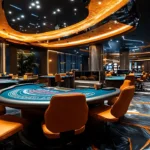


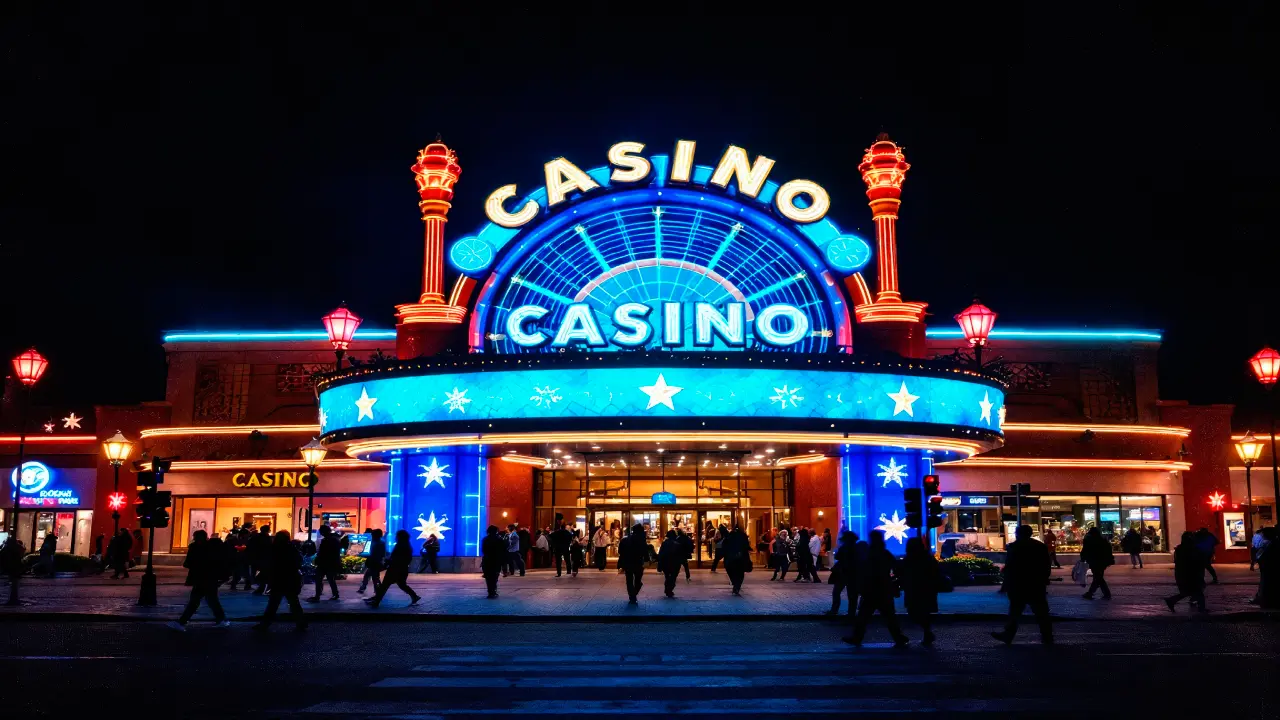

Casino architecture has changed dramatically over the past few centuries. The first casinos in Europe were built to look like palaces, with marble columns and gold details that showed wealth and status. Today’s casinos look completely different, using technology and modern design to create exciting spaces that draw millions of visitors each year.
The shift from classic European gambling halls to modern casino resorts reflects changes in culture, technology, and what people expect from entertainment spaces. Early casinos like the Casino di Venezia, founded in 1638, focused on elegance and exclusive design. Modern casinos aim to create immersive experiences that combine gaming with dining, shows, and hotels all in one location.
Understanding how casino design evolved helps explain why these buildings look the way they do today. From the grand gambling houses of Monte Carlo to the bright lights of Las Vegas and beyond, each era of casino architecture tells a story about the people who built and visited these spaces.
Foundations of Classic Casino Architecture
Classic casino architecture drew from European palatial traditions and grand public buildings, establishing gambling venues as symbols of wealth and social status. The earliest casino designs prioritized ornate details, expensive materials, and layouts that separated the elite from common gamblers.
Influence of 19th and Early 20th Century Design
The Casino di Venezia, founded in 1638 in Italy, set the standard for aristocratic gambling establishments. You can trace most classic casino elements back to this period when gambling houses borrowed heavily from royal palaces and opera houses.
Architects in this era used Baroque and Renaissance styles to create impressive facades and interiors. High ceilings with elaborate moldings, crystal chandeliers, and marble floors became standard features. These design choices weren’t just decorative. They served to attract wealthy patrons who expected surroundings that matched their social standing.
European casino architecture spread to Monte Carlo in the mid-1800s. The Casino de Monte-Carlo opened in 1863 and became a blueprint for luxury gambling establishments worldwide. Its Belle Époque style influenced casino design for decades.
Signature Elements of Historic Casino Structures
Classic casinos shared specific architectural features that you could identify immediately:
Key structural elements:
- Grand entrance halls with sweeping staircases
- Ornate plasterwork and gilded decorations
- Large windows with heavy drapery
- Detailed woodwork and carved panels
- Frescoed or coffered ceilings
The gaming rooms themselves followed strict design principles. You would find separate spaces for different games, with private rooms reserved for high-stakes gambling. Natural light was often limited to create an atmosphere removed from everyday life.
Architects designed these buildings to impress visitors from the moment they arrived. Wide staircases, columned porticos, and symmetrical facades announced the importance of the establishment.
Role of Luxury and Opulence in Early Casinos
Early casino operators understood that luxury drove business. Your perception of a casino’s quality depended largely on its visual presentation and material richness.
Casinos competed by using the most expensive materials available. You would see imported marble from Italy, rare woods like mahogany and rosewood, and precious metals in fixtures and decorative elements. These weren’t just status symbols. They signaled financial stability and fairness to potential gamblers.
The opulent design also served a practical purpose. Wealthy patrons expected exclusive environments that justified high betting minimums. Ornate surroundings created psychological separation from ordinary gambling halls and justified premium pricing.
Interior designers paid attention to every detail, from custom furniture to hand-painted ceiling murals. This attention to luxury established casinos as entertainment destinations beyond just gambling venues.
Transition to Modern Casino Designs
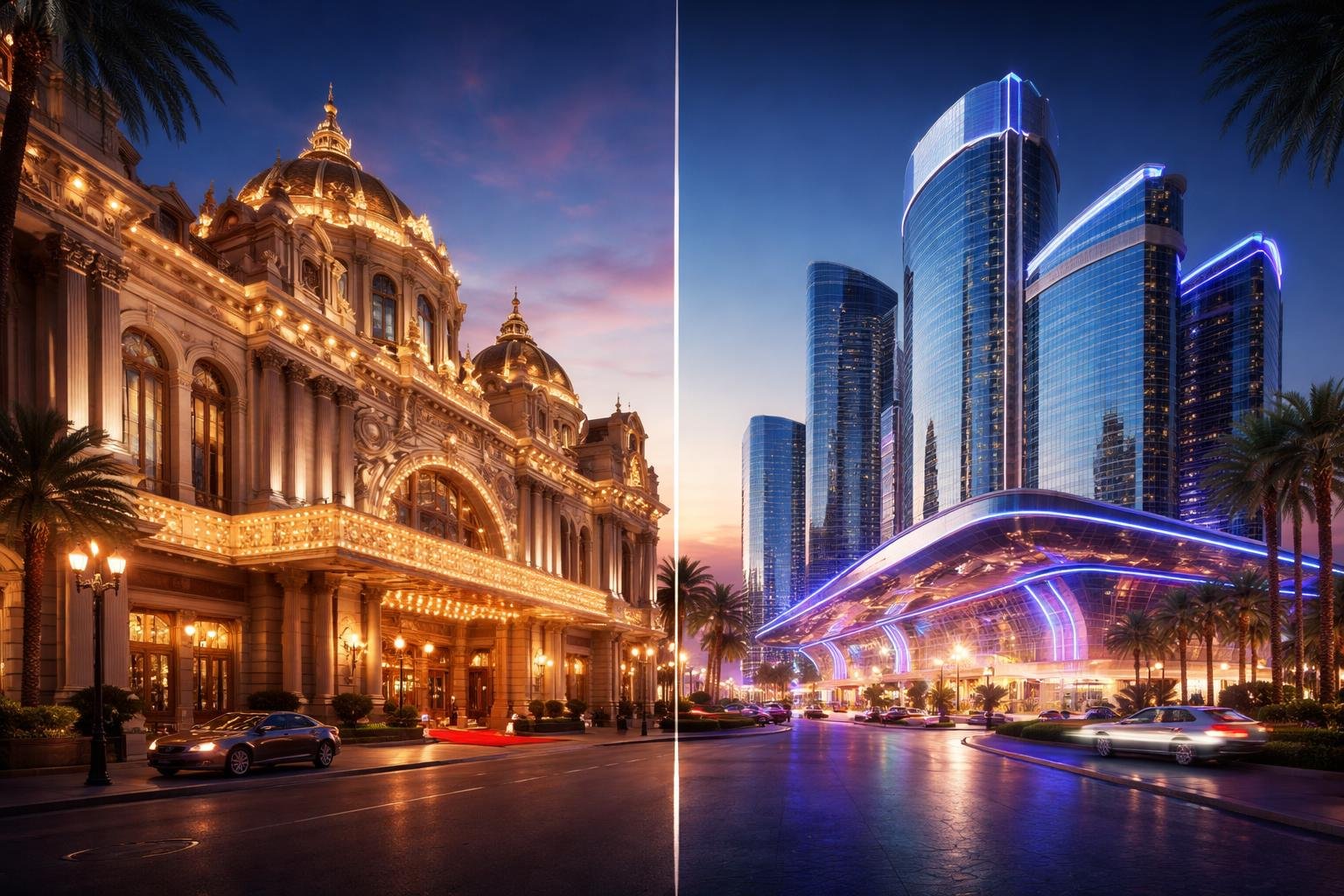
The mid-20th century marked a clear break from ornate European gambling houses. Casinos began adopting cleaner lines, practical layouts, and innovative building methods that prioritized guest comfort and operational efficiency.
Emergence of Streamlined Aesthetics
Post-World War II casinos moved away from heavy baroque decoration and gold-leaf details. The 1950s and 1960s brought a focus on simplicity and visual clarity. You could see this shift in Las Vegas properties that favored clean geometric shapes over elaborate moldings.
Mid-century modern design principles influenced casino interiors significantly. Architects used open floor plans with lower ceilings to create more intimate gaming areas. Color schemes became more restrained, often featuring neutral tones accented by strategic pops of color.
The Rat Pack era casinos exemplified this change. They featured sleek furniture, minimal ornamentation, and sophisticated lighting designs. These spaces felt contemporary rather than historical, appealing to a younger generation of gamblers who valued modern style over traditional grandeur.
Shift Toward Functional Spaces
Casino operators began studying how people moved through gaming floors. They redesigned layouts to improve traffic flow and maximize the number of games per square foot. You no longer wandered through maze-like rooms but could navigate spaces more intuitively.
Gaming areas became zoned by activity type. Slot machines occupied their own sections, separate from table games. High-roller rooms received dedicated spaces with controlled access. This organization made it easier for you to find your preferred games quickly.
Staff efficiency drove many design decisions. Dealers, servers, and security personnel needed clear sightlines and quick access routes. Back-of-house areas expanded to support growing operations, with dedicated spaces for cash handling, surveillance, and maintenance.
Integration of New Materials and Technologies
Steel frame construction allowed for larger open spaces without support columns blocking views. You could stand anywhere on the gaming floor and see across vast areas. Glass curtain walls brought natural light into previously windowless spaces, though many casinos still limited this to maintain controlled lighting.
Air conditioning systems became more sophisticated, maintaining comfortable temperatures despite large crowds. Advanced ventilation helped manage cigarette smoke, a significant concern in mid-century casinos.
Electrical systems evolved to support complex lighting schemes. Neon signs became iconic features both outside and inside casino properties. Sound systems piped music throughout buildings, creating consistent atmospheric experiences across different gaming zones.
The Impact of Las Vegas and Global Landmarks
Las Vegas pioneered the concept of using architecture as a primary marketing tool in the casino industry, creating a blueprint that influenced gambling destinations worldwide. The city’s architectural innovations sparked a global movement toward larger, more visually striking casino resorts.
Golden Age of Las Vegas Strip Resorts
The mid-20th century marked the beginning of Las Vegas’s transformation into an architectural showcase. Neon signs and massive flashing marquees defined the early aesthetic, turning Fremont Street into a glowing spectacle that operated around the clock.
The Strip quickly became a testing ground for bold architectural concepts. Each new resort aimed to surpass previous designs in scale and visual impact. Casino owners understood that distinctive buildings could attract visitors as effectively as gambling itself.
By the 1990s and 2000s, Las Vegas entered its mega-resort era. These complexes combined multiple entertainment options under one roof, including concert venues, shopping centers, restaurants, and spas. The Bellagio’s fountains and the pyramid-shaped Luxor demonstrated how architecture could create memorable landmarks that drew tourists from around the world.
Influence on International Casino Development
Las Vegas set the standard for casino design that other countries adopted when legalizing gambling. The grand designs and luxurious interiors became templates for new gambling destinations seeking to replicate Vegas’s success.
Macau emerged as “the Monte Carlo of the East” by borrowing heavily from Las Vegas architectural principles. Singapore’s Marina Bay Sands took inspiration from Vegas mega-resorts but added its own distinctive ship-like rooftop design.
European casinos began incorporating entertainment hub concepts from Las Vegas. Previously focused mainly on gaming floors, international casinos started adding theaters, nightclubs, and retail spaces to match the Vegas model.
Iconic Architectural Innovations
Las Vegas introduced several groundbreaking design concepts that changed casino architecture permanently. Themed environments became a signature approach, with resorts recreating entire cities or historical periods through detailed architectural design.
The city pioneered the use of immersive environments where every design element supported a central theme. The Venetian’s recreation of Venice’s canals and the Paris Las Vegas’s Eiffel Tower replica showed how architecture could transport visitors to different worlds.
Key architectural innovations include:
- Massive scale construction that created self-contained entertainment cities
- Integration of outdoor spectacles like the Bellagio fountains into building designs
- Use of advanced lighting systems to create dramatic nighttime displays
- Climate-controlled indoor spaces that allowed year-round comfort in a desert environment
These innovations spread globally as casino operators recognized that distinctive architecture increased their competitive advantage.
Contemporary Trends in Casino Architecture
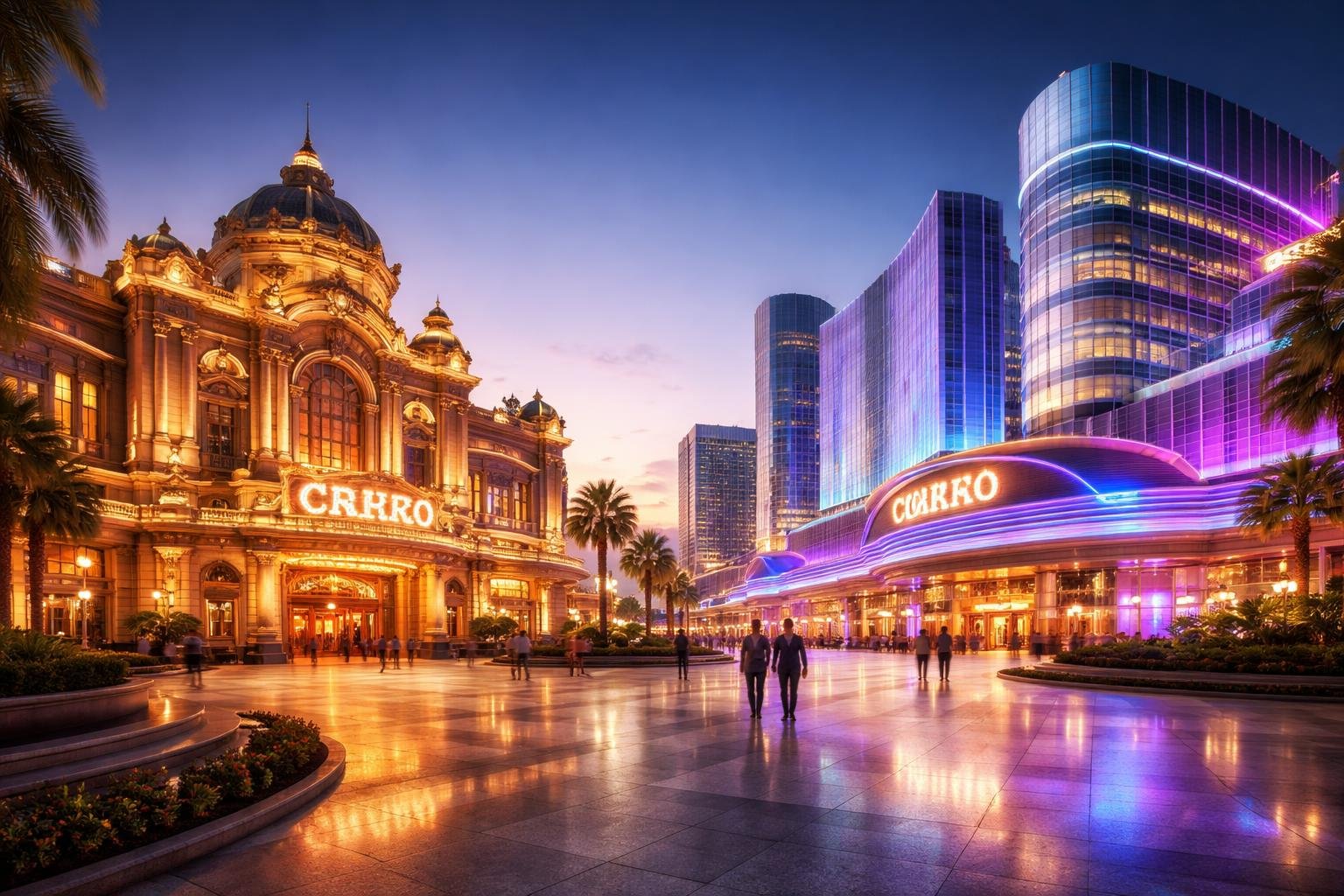
Casino architecture now prioritizes sustainability, mixed-use spaces, natural environments, and advanced technology. Designers create buildings that serve multiple purposes while reducing environmental impact and enhancing guest experiences through smart systems.
Sustainable and Eco-Friendly Design
Modern casino construction incorporates green building practices as a standard requirement. You’ll find energy-efficient lighting systems, green roofs, and water conservation structures in recent projects. These features reduce operating costs while appealing to environmentally conscious visitors.
Architects select sustainable materials and implement renewable energy sources where possible. Solar panels, geothermal systems, and advanced HVAC technology minimize the carbon footprint of large casino complexes. The shift toward eco-friendly design reflects broader changes in construction standards across the hospitality industry.
LEED certification and similar green building standards guide many new casino developments. You can expect to see more casinos using recycled materials, low-emission finishes, and smart climate control systems that adjust based on occupancy levels.
Blending Entertainment and Hospitality
Casinos have transformed into multi-purpose entertainment complexes rather than standalone gambling venues. You’ll encounter restaurants, shopping areas, concert halls, spas, and conference centers all within the same property. This diversification attracts visitors who may not be primarily interested in gambling.
The integrated resort model creates destinations that appeal to families and business travelers. Gaming floors now occupy a smaller percentage of total square footage compared to earlier casino designs. Resort operators recognize that varied amenities generate more revenue and longer stays than gambling alone.
Emphasis on Openness and Natural Light
Contemporary casino design breaks away from the windowless, maze-like layouts of the past. You’ll notice higher ceilings, large windows, and clear sightlines that create welcoming atmospheres. Natural light reaches gaming areas and public spaces, making the environment more comfortable for extended visits.
Architects use glass walls, skylights, and atriums to bring outdoor elements inside. This openness helps reduce the claustrophobic feeling that characterized older casinos. The design philosophy now emphasizes transparency and connection to the surrounding environment.
Incorporation of Cutting-Edge Technology
Smart building systems control lighting, temperature, and security throughout modern casino properties. You interact with digital wayfinding, mobile apps for services, and cashless payment systems. These technologies streamline operations and personalize your experience.
Advanced surveillance systems, facial recognition, and data analytics help casinos manage security and understand guest preferences. Digital displays and interactive surfaces replace static signage, allowing for dynamic content updates. The technology integration extends to gaming equipment, room controls, and entertainment systems that create fully connected environments.
Future Directions and Digital Integration
Casino architecture is moving toward spaces that respond to visitor behavior through sensors and digital systems, while virtual reality creates entirely new gaming environments that exist beyond physical buildings. Some historic casino properties are being transformed to blend their original character with modern technology.
Smart Casinos and Interactive Spaces
Modern casinos are incorporating smart building technologies that adjust to guest needs in real time. Advanced HVAC systems monitor crowd density and temperature preferences to maintain comfort levels automatically. Energy-efficient lighting responds to natural light patterns and occupancy levels.
Interactive LED walls display personalized content based on nearby visitors. You can interact with touchpoints that connect to your mobile device for wayfinding, game information, and rewards tracking. Digital systems track foot traffic patterns to help optimize floor layouts and machine placement.
Key Smart Technologies:
- Mobile-integrated touchpoints for navigation
- Automated climate control systems
- Interactive digital displays
- Real-time analytics for space optimization
These systems reduce energy consumption while creating more engaging environments. Building management platforms collect data to improve operations and guest experiences continuously.
Virtual and Augmented Reality Enhancements
Virtual reality is merging physical casino spaces with digital gaming realms. You can put on a VR headset at a traditional gaming table and enter an enhanced environment with additional visual elements and social features. Some casinos are dedicating entire rooms to VR gaming experiences.
Augmented reality overlays digital information onto physical spaces through mobile devices or AR glasses. You might see game statistics, promotional offers, or wayfinding directions displayed over your view of the actual casino floor.
The combination of AR and VR technologies is creating hybrid experiences. Physical slot machines gain digital extensions through AR. VR poker rooms let you sit at virtual tables with players from around the world while maintaining the social aspects of live play.
Adaptive Reuse of Classic Casino Venues
Historic casino buildings are being retrofitted with modern technology while preserving their architectural character. Original facades, decorative elements, and spatial layouts remain intact as digital infrastructure gets installed behind the scenes.
You’ll find classic European-style gaming halls now equipped with fiber optic networks, wireless charging stations, and hidden projection systems. Ornate chandeliers house modern LED technology that mimics traditional lighting while offering programmable options.
This approach maintains the cultural and historical value of landmark casino properties. Architects work to integrate server rooms, cable routing, and equipment spaces without disrupting original design features. The result blends nostalgic atmosphere with contemporary functionality.